
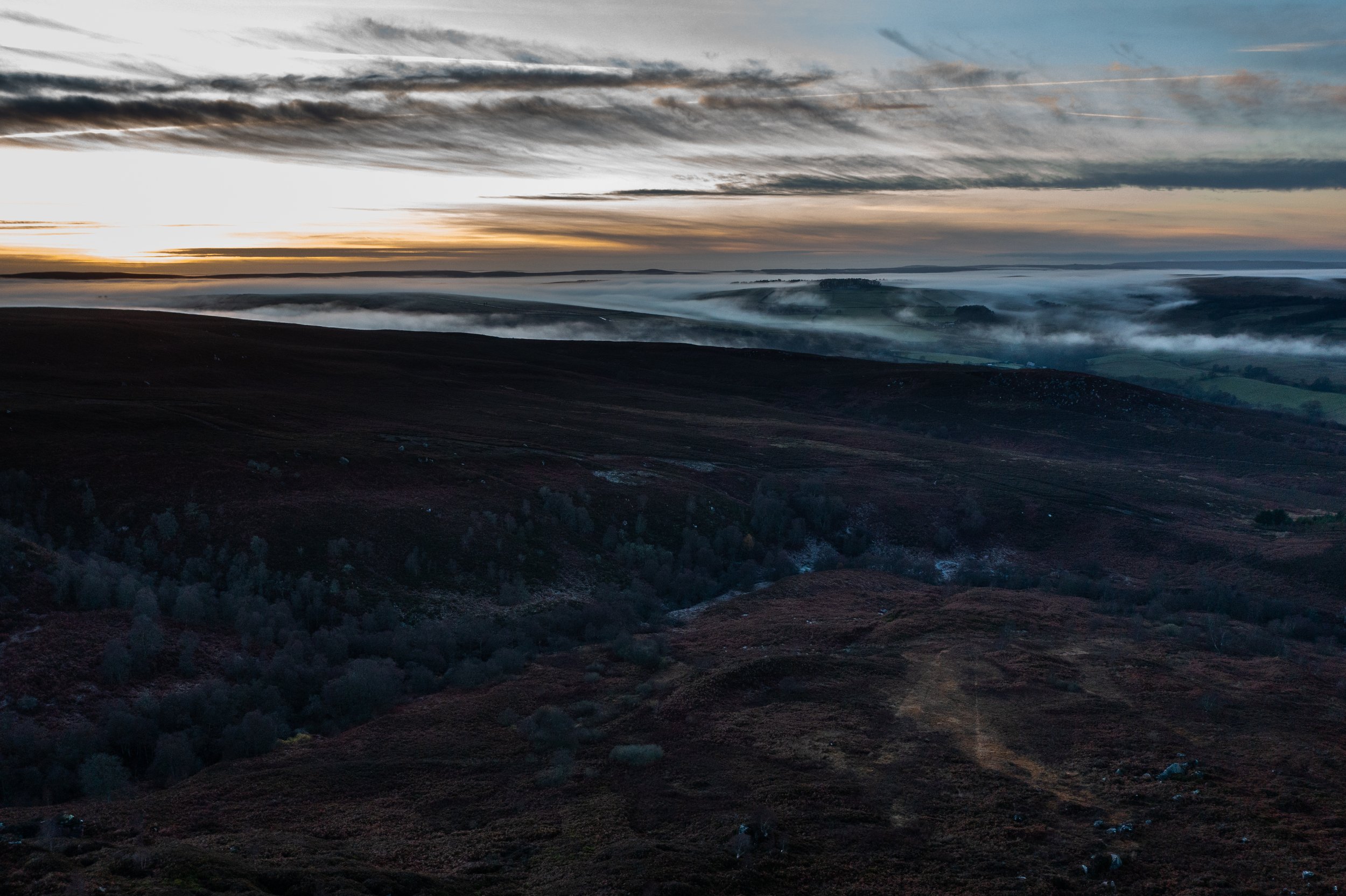
Walk on the Wild Side
“Best natural history visit I have ever done... with breathtaking Northumberland scenery”
Hepple’s wilding programme is reshaping an epic Northumbrian landscape, from the water, soil and fungi to the majestic silhouette of horned beasts on the skyline.
Our Aim is……
“To create a wilder ecosystem at Hepple driven by natural processes and light-touch management. Success will be measured by the strengthening of the natural assets already present, the pleasure given to residents and visitors and in the economic opportunities that result from a more diverse landscape”
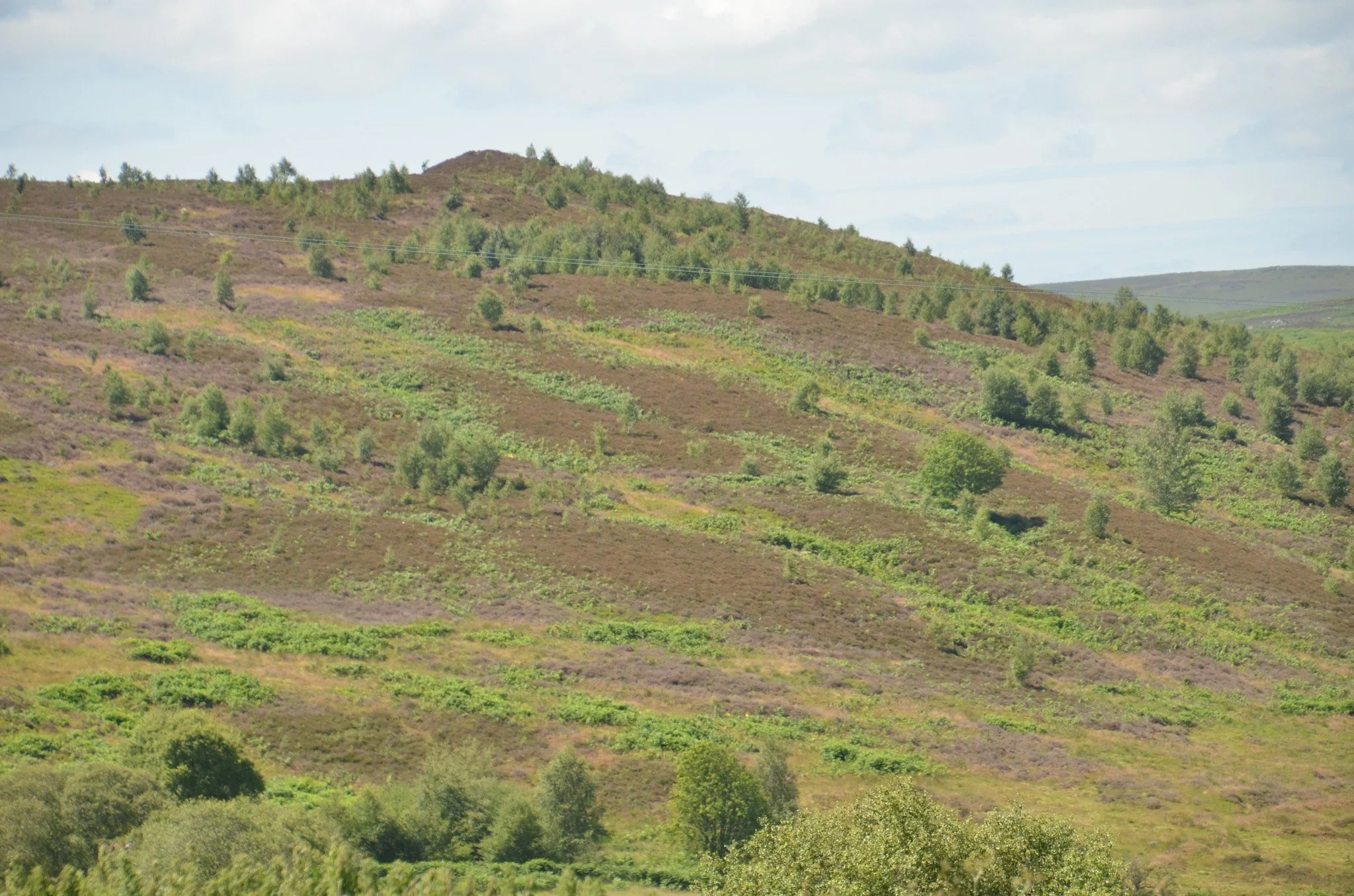
From Wild to Biodiverse
How we are building biodiversity, and monitoring the result.
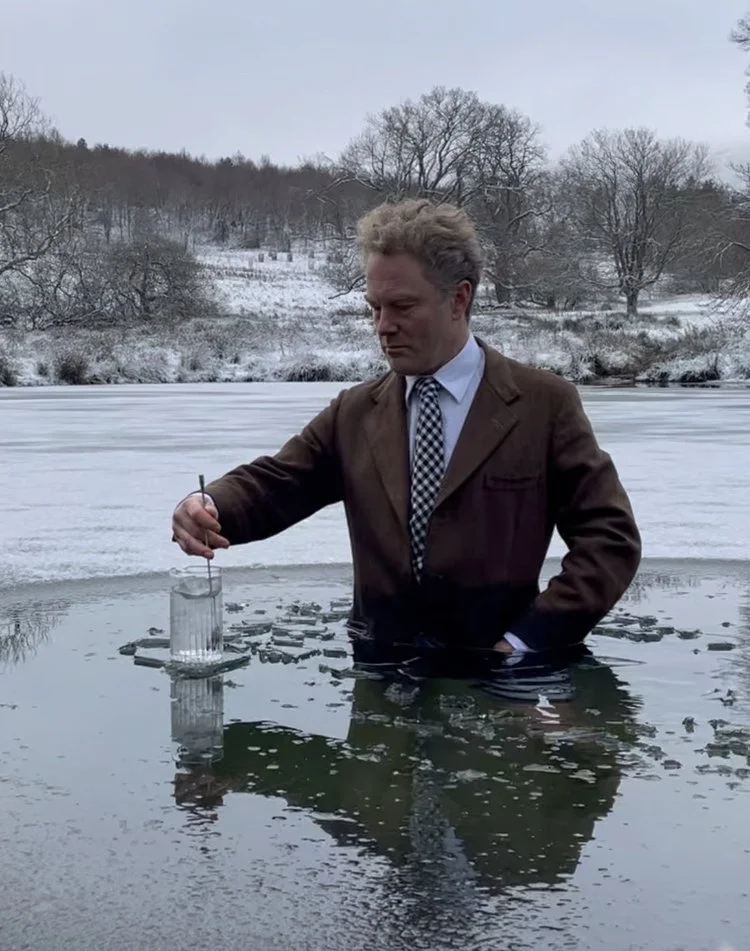
Visit Hepple
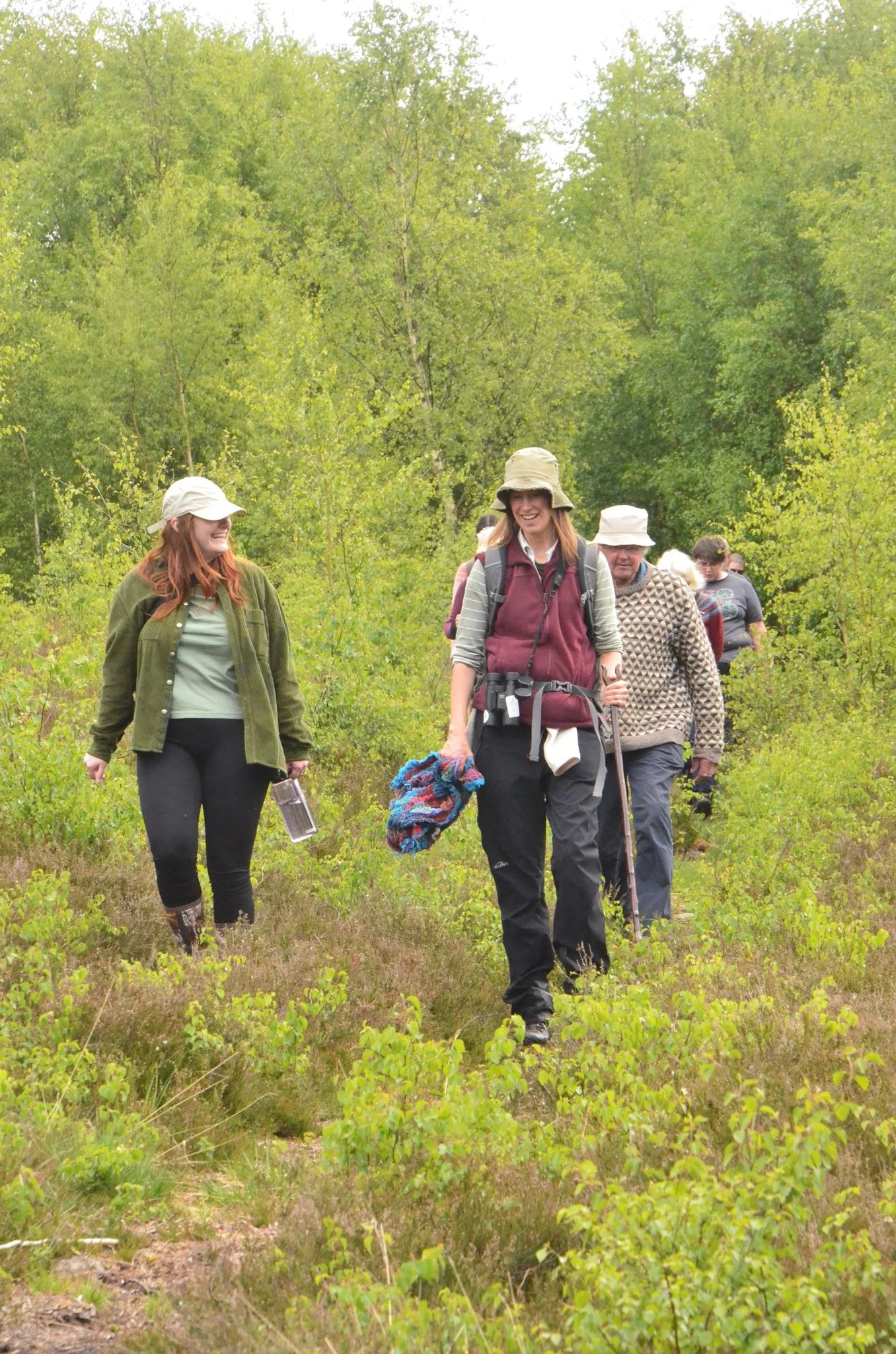
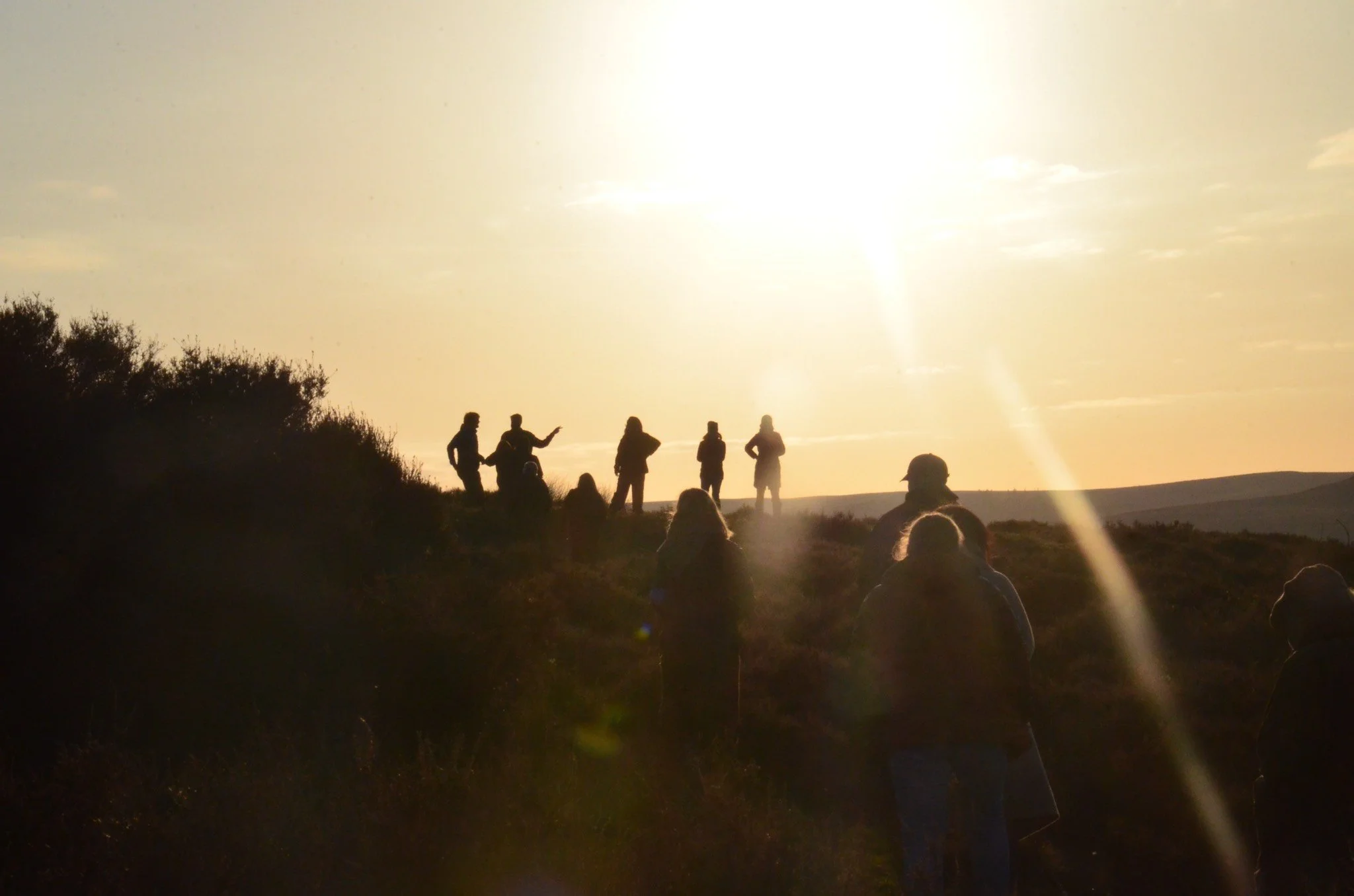
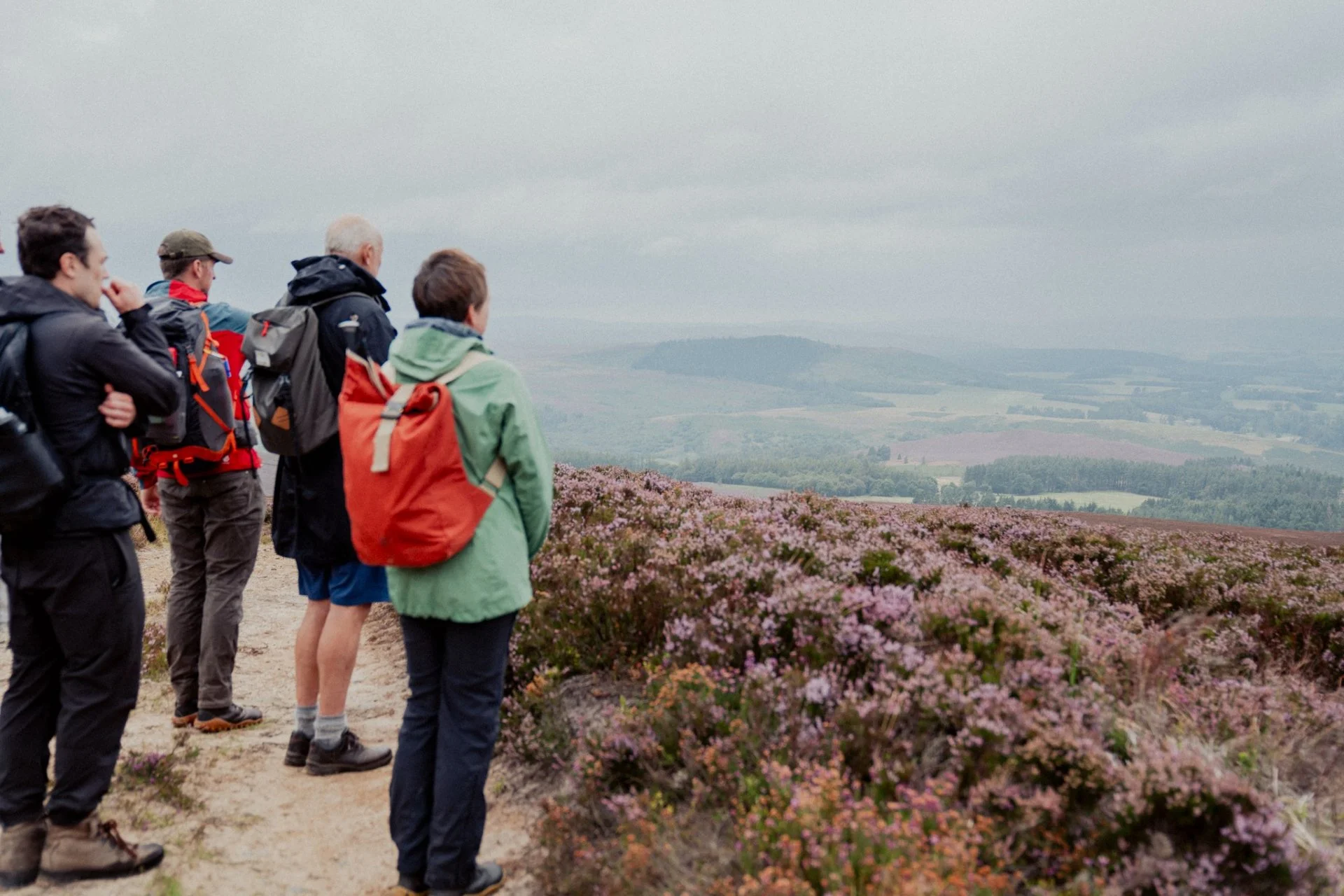
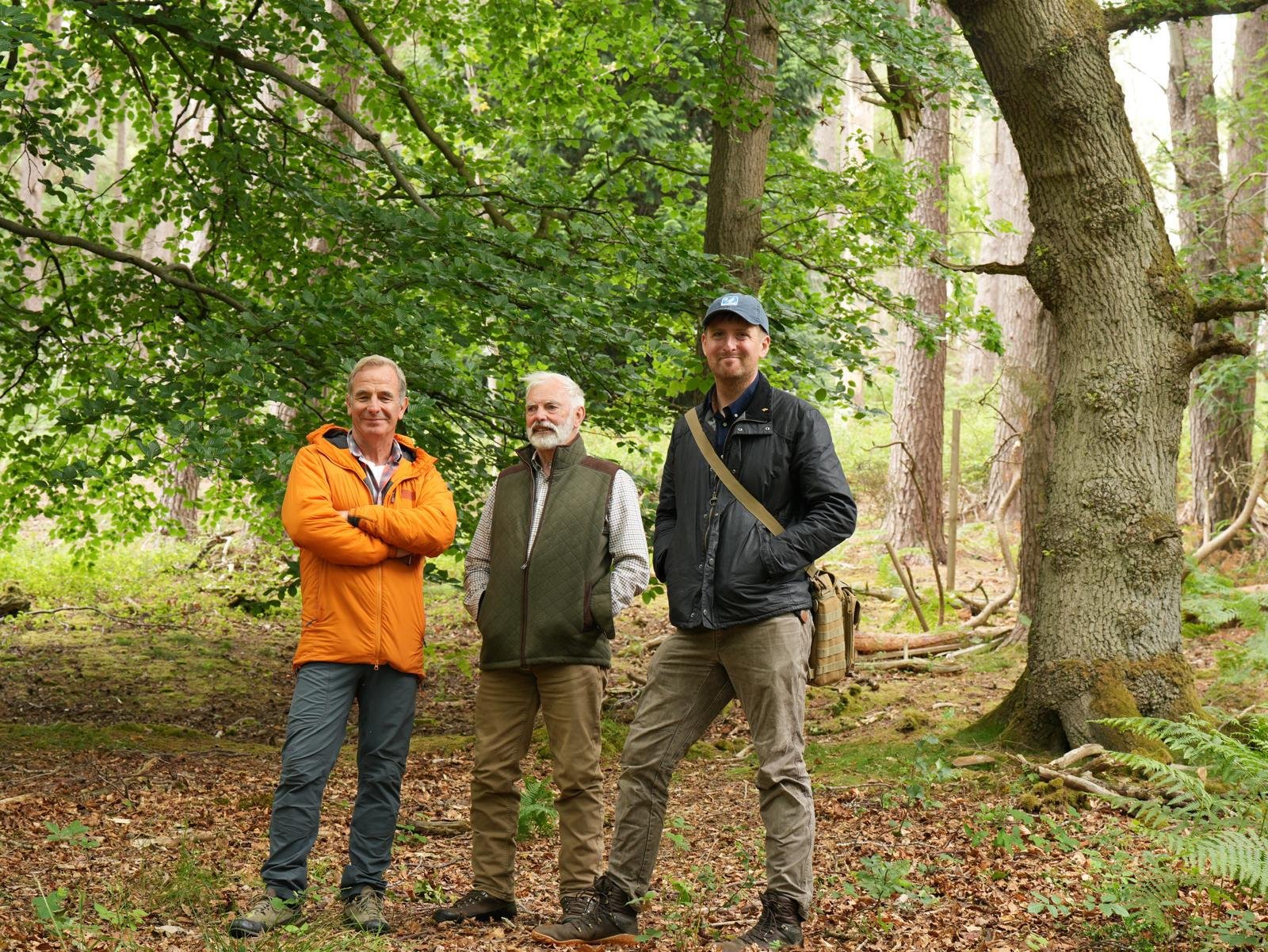
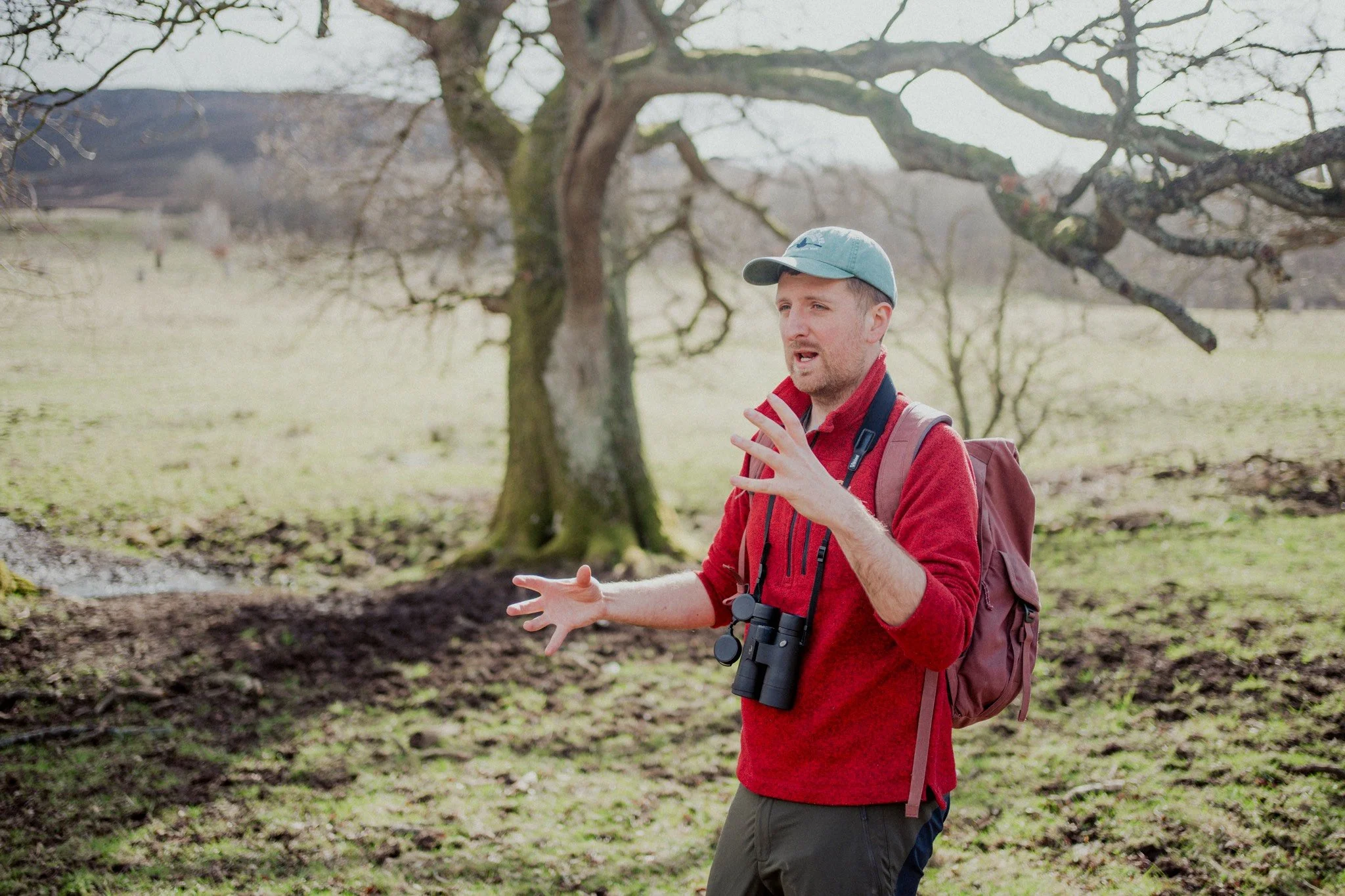
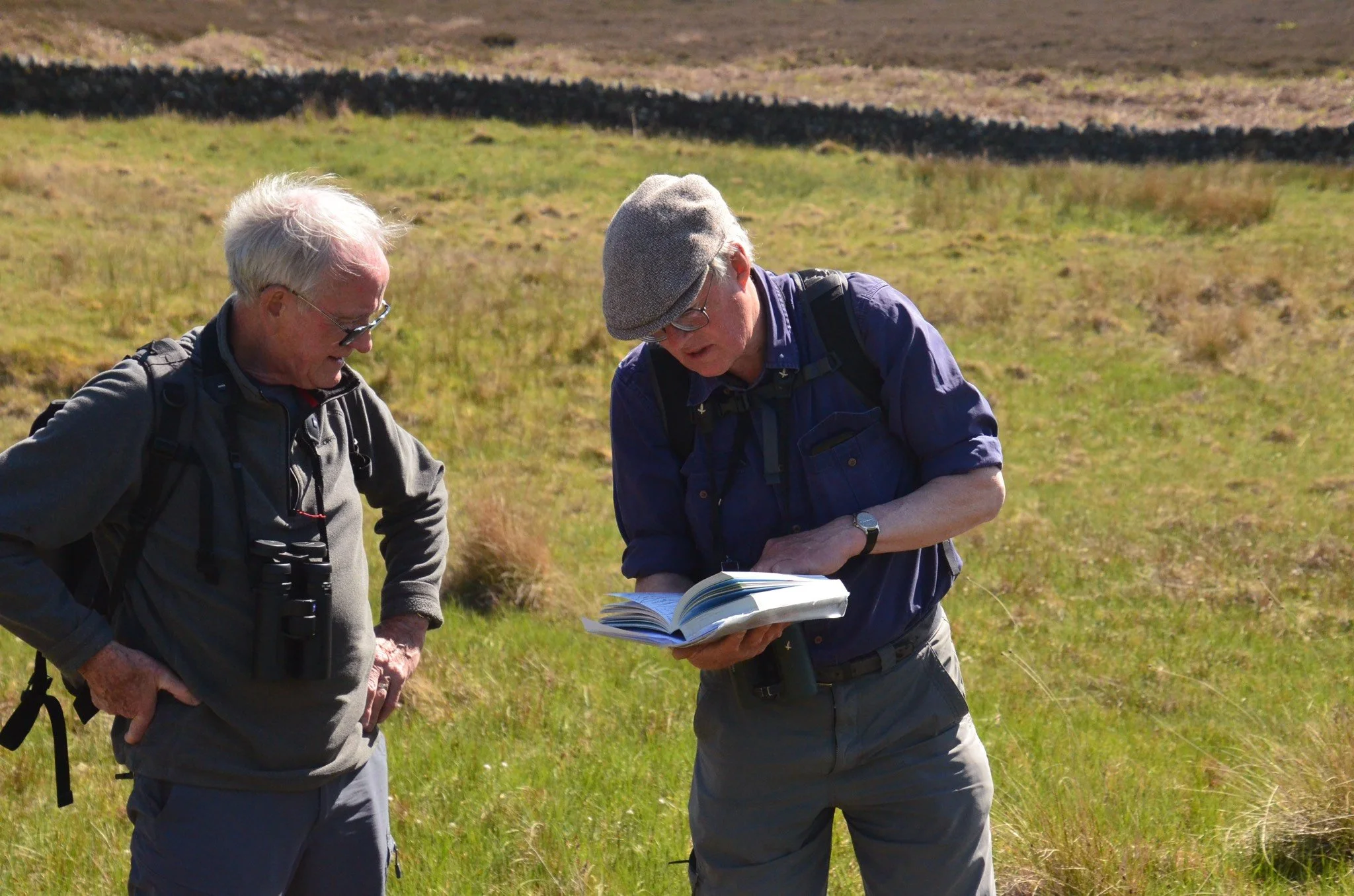
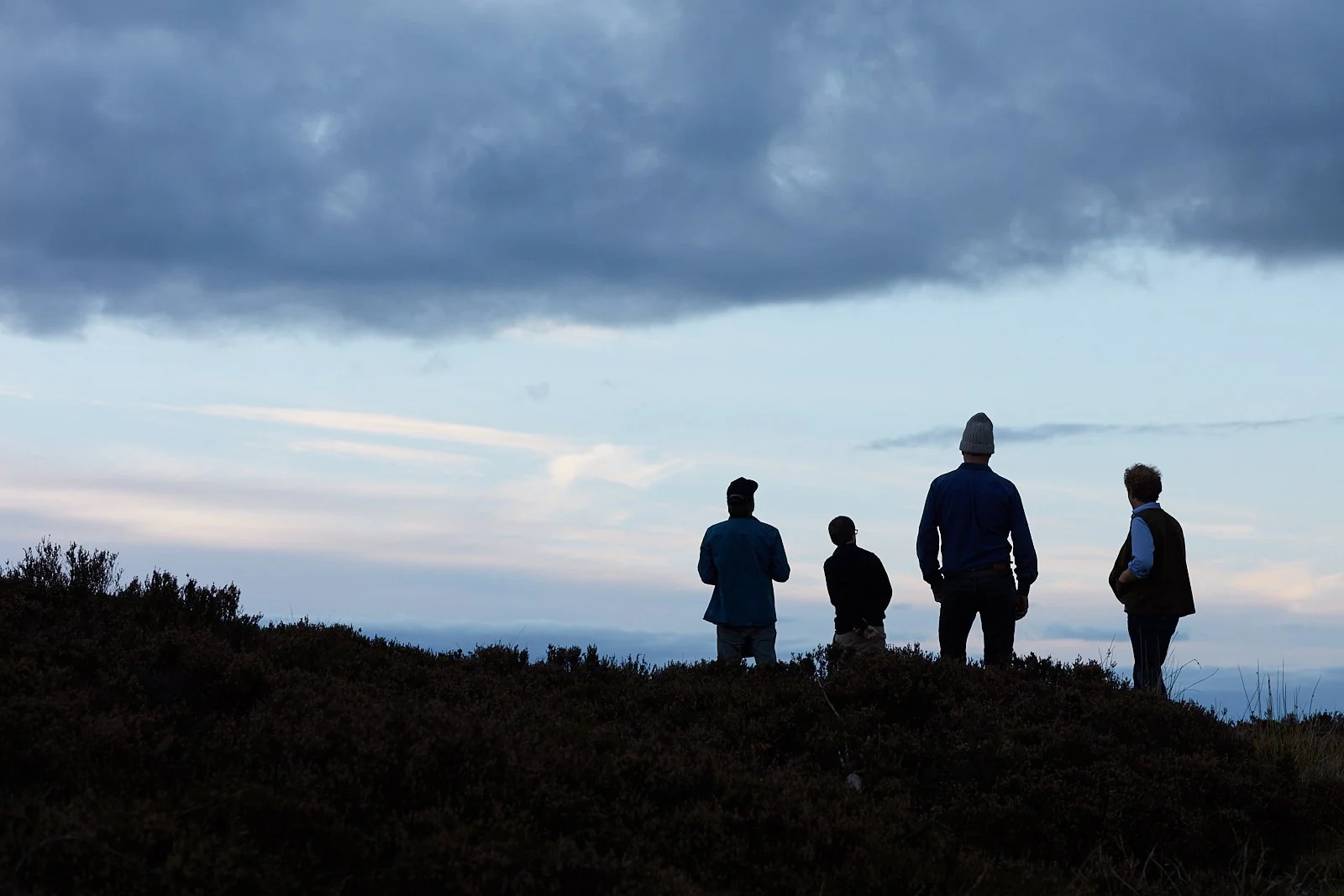
We are running a series of events for small groups as well as private, bespoke tours - as seen on BBC2’s ‘Robson Green’s Weekend Escapes’. Find out more via the links below.
Latest News
Read our blog for the latest news, or ask a question
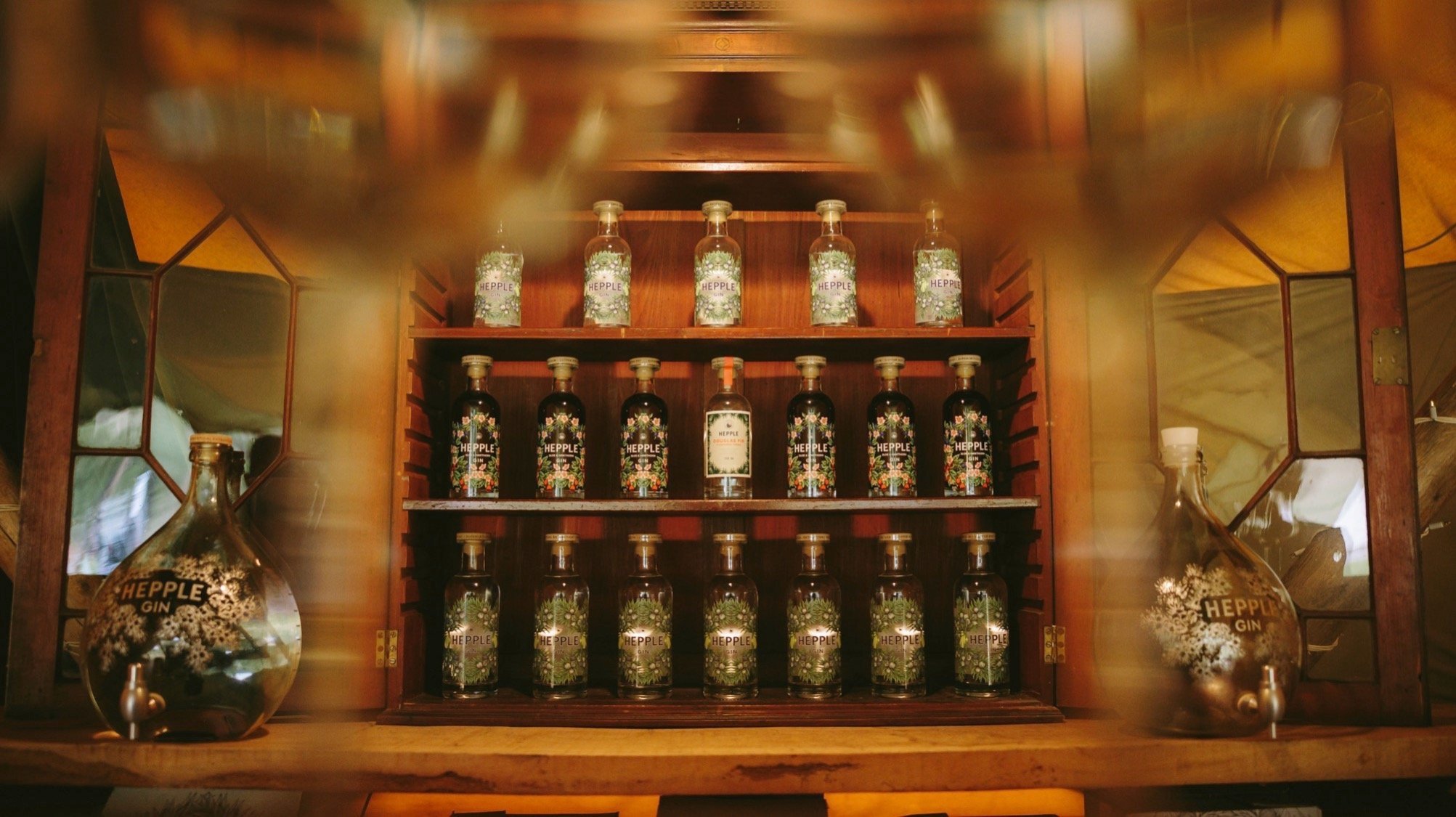
As well as some stunning nature, we host one of the most innovative distilleries in the UK.
What we produce
Frequently Asked Questions
-
1. We want nature at Hepple to be ever more capable of spontaneous life, more resilient to shocks, more rewarding to work alongside and truly thrilling to visit.
2. We are trying to strengthen nature by creating a cascade of life starting from the bottom of the food chain. By retaining water, improving soil biology and diversifying the vegetation the support systems for all life is improved.
3. We are trying to build businesses that benefit from and help fund the work we do to strengthen the natural world. “Productivity” will come in the form of a small quantity of very high value products, including meat, spirits and the thrill of being there.
4. We hope this area of the Simonside becomes an ever more rewarding place to visit, work and live.
-
Our logo is a copy of a Northumbrian Neolithic “Cup and Ring” stone carving dating from 3,000-5,000 BC. Our philosophy is to build the ancient relationship between man and the natural world that existed many thousands of years ago.
-
A “wild”, entirely self-willed nature is the objective, but for the foreseeable future we need interventions to get there. After two millennia of human activity our upland ecosystem is radically different from the geologically recent past. Peat Cores extracted by Oxford Archaeology from the bog on the top of the hill show a substantially more tree-covered landscape than today. Given our starting point today zero management would lead to a much less resilient, less biodiverse landscape with a potentially very high risk of catastrophic depletion from fire. Because we can’t (and fundamentally don’t want to) control things it makes more sense to describe our intervention activities in terms of suppressions and supports. That is why we called our overall programme “Managed Wilding”.
-
Supports
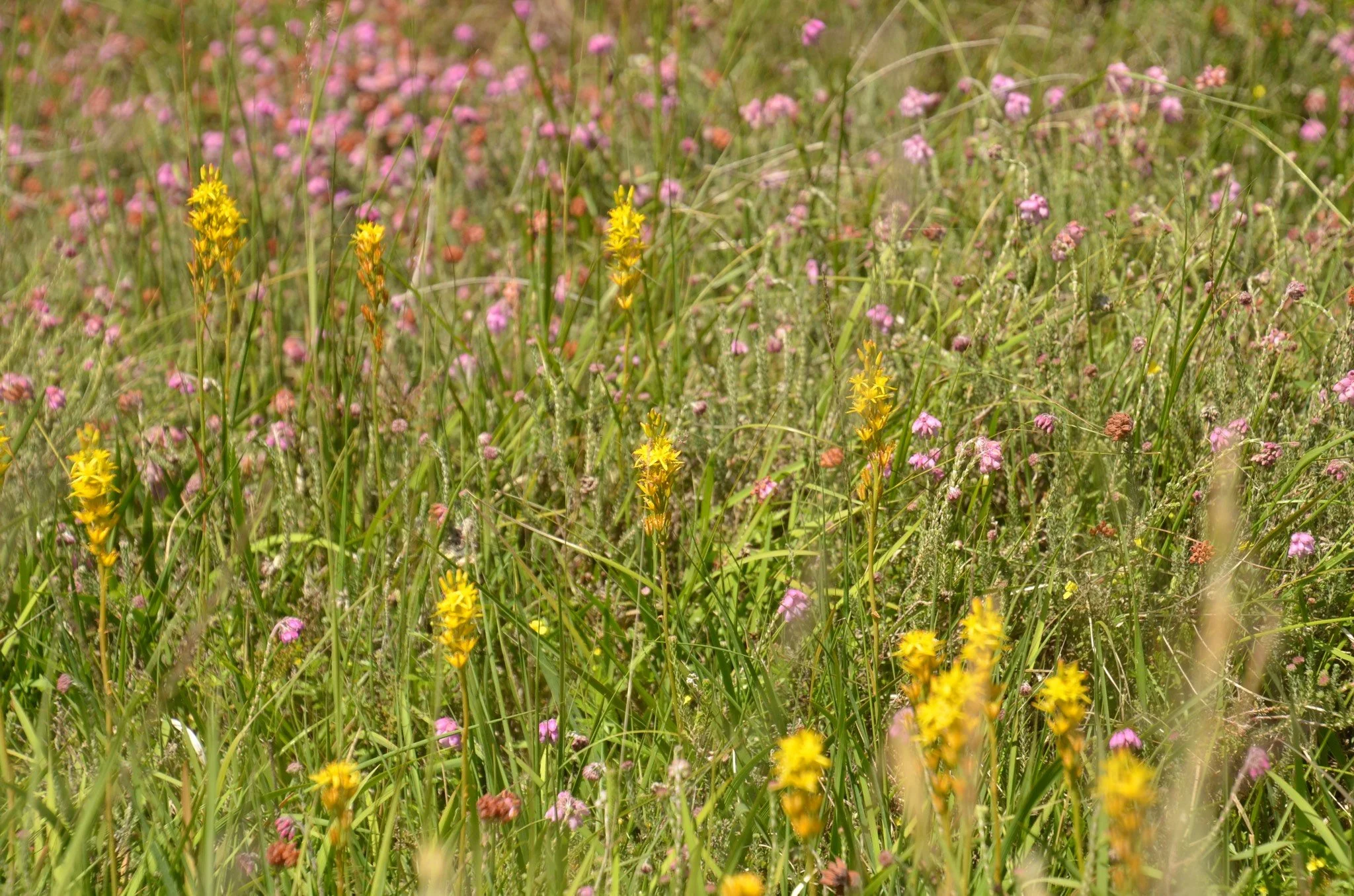
· Wetland creation: Water creates life. Much of Hepple is on sandstone so is relatively dry. In addition to our work in rewetting the bogs and wider heathland we have been doing a lot of scrape and pond creation and slowing down the run of water down gullies with leaky dams.
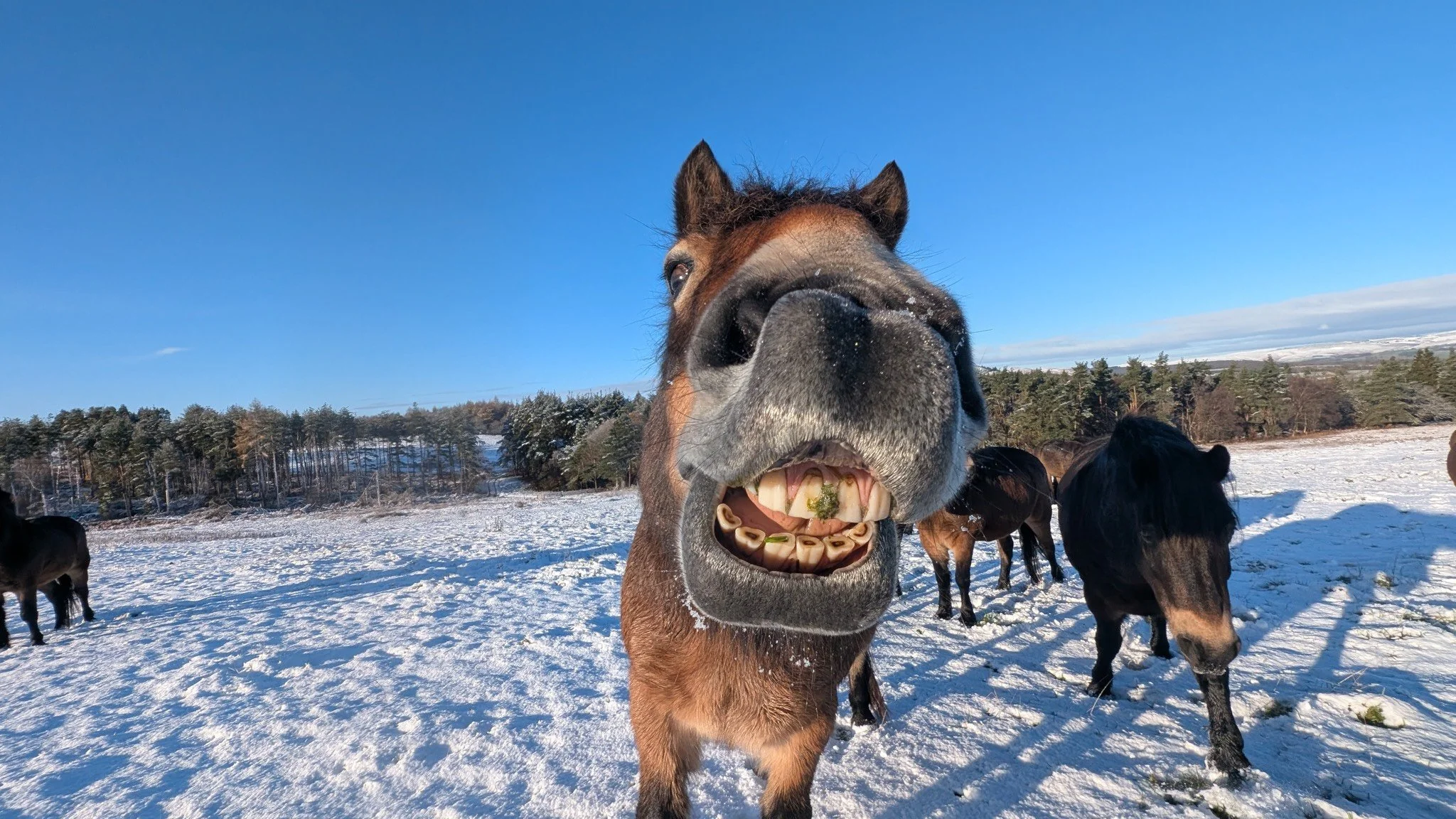
· Light Grazing and rootling: without light grazing from our cattle and ponies and rootling from the pigs our land would be much more inert. Retaining farming practices, albeit of a very idiosyncratic nature is essential.
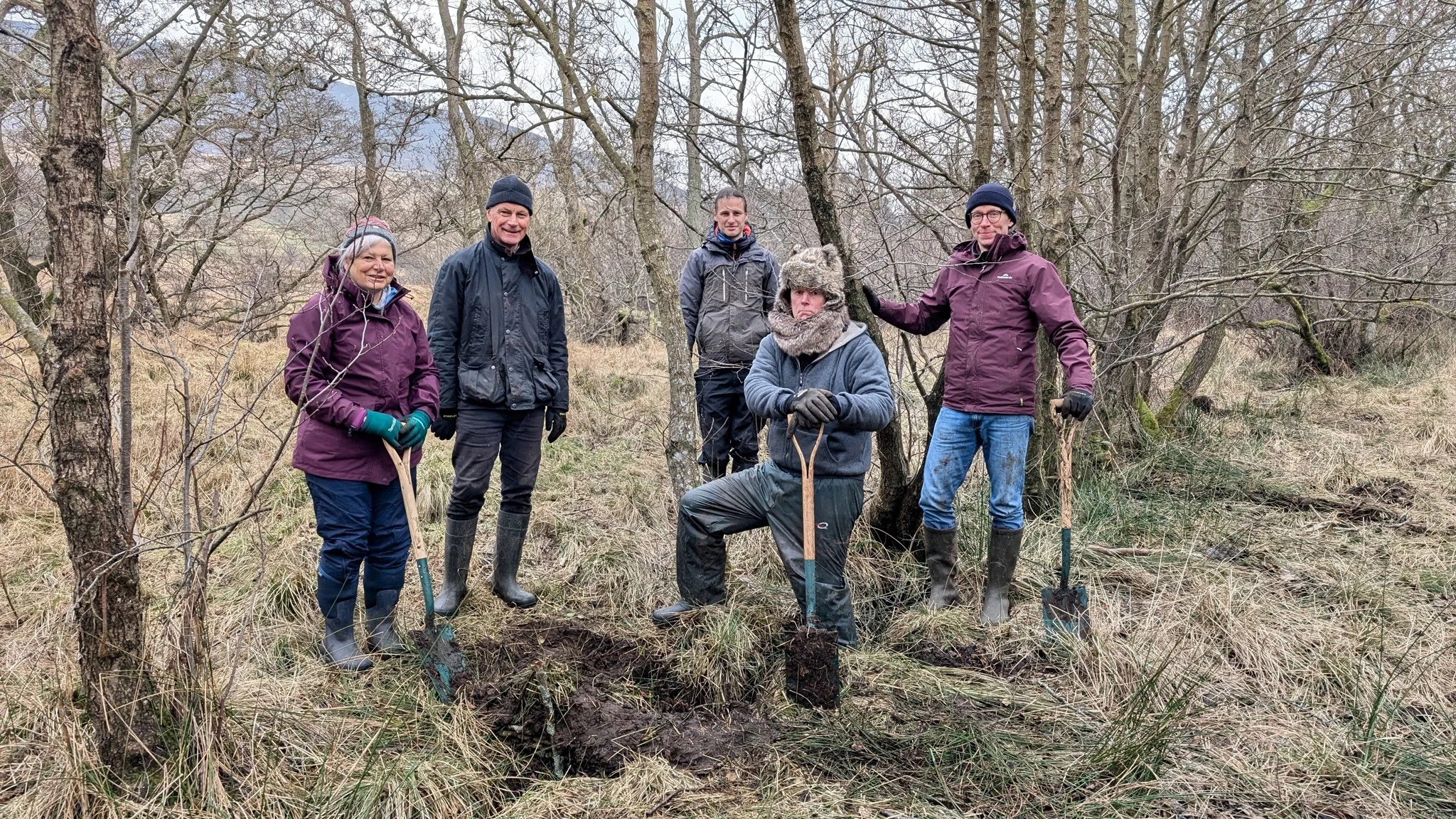
· Planting scrub and trees: We much prefer natural regeneration over human planting, but certain scrub and tree species like juniper, wild fruit and nuts, willows, aspen and other species that are typical of more ecologically sound places like Norway and parts of Scotland are absent or in very low densities at Hepple. To get the ecosystem cogs whirling we are intervening with exclosures to prevent any grazing whatsoever and are planting into them. We hope that structural and species diversity will result 10+ years faster than if we just let nature take its own course. We are in a hurry!
Suppressions:
· Wildfire: Our biggest single risk. For the majority of the heathland we are letting natural processes lead but we are actively cutting and burning fire-breaks (particularly along the track running North-South) to reduce our catastrophe risk. Retaining the skills and kit needed to tackle fires is important to us.
· Peat erosion: We are damming the drainage ditches (“grips”) cut into the peat on the moor during the 1960s and 1970s when such practices were encouraged by government policies.
· Bracken: Radically lowering grazing densities runs the risk of creating bracken monocultures which are already at high coverage levels (9% of the whole area), partly due to warmer winters and high NO2 deposition from acid rain. Bracken can remain a very low-biodiversity monoculture for many decades. We are putting pressure on bracken by crushing it mechanically, encouraging cattle to crush and graze on it and where viable, planting trees within it.
· Ultra-vigorous non-natives: A small number of non-native species are unusually good at colonising upland heath and our sort of pasture and are seriously bad news for the wider ecosystem. We are conscious that non-native species eradication can be extremely expensive, that it often fails and could even be wrong from a climate change perspective, but we believe that in tackling Sitka Spruce, Rhododendron Ponticum and Grey Squirrels we are confronting high risks that can be controlled at reasonable cost with a medium to high probability of success. Doing this in conjunction with our neighbours really helps.
· Species without predators: The elimination of top predators has resulted in explosions of meso-predators and certain prey animals, whose success in turn has come at the expense of lower order species and habitats. English deer numbers are exceptionally high relative to other European countries with more complete ecosystems and at Hepple are preventing the emergence of palatable species like willow, honeysuckle and bramble. The same goes for our meso-predator populations which are very high in relation to their prey species; ground nesting birds. We carry out careful, targeted control of deer and meso-predators. We do not “keep game” but Gamekeeping skills are critically important for us.
-
In 2020 we changed from having a 1,500-2,000 ewe sheep and small cattle herd, a grouse and pheasant shoot and a commodity softwood timber business to making ecological renewal the priority everywhere. This change does not forbid production: we are still producing a small quantity of beef, venison and wild game, but the quantities are necessarily smaller. We are producing Hepple Spirits from the berries, needles and leaves of our plants. We are running immersive visitor experiences on this increasingly wild land. The hills at Hepple have always been sensationally beautiful; they have a mystical quality that is aeons old. Our logo of a “cup and ring” stone carving from the Neolithic age many millennia ago represents the ancient combination of reverence, belonging and production that linked humans and the land then: we aim today for the same.
-
A mathematician expert in ecological monitoring once told us: “a sensitive naturalist walking across your land can tell more than any set of monitoring data the health of your ecology”. We love this and appeal to the sensitive, complex radar of those who visit to test this thesis.
That said we are running a wide spectrum of scientific monitoring programmes that look at:
o Water quality
o Soil chemistry
o Soil biology
o Insect abundance and diversity – Biomonitoring with the Sanger Institute
o Vegetation monitoring using fixed point photography, quadrat assessments
o Bird diversity – bioacoustics with the BTO
-
DEFRA’s Countryside Stewardship scheme is the main support today. The Hepple Wilds and Hepple Spirits businesses are smaller but growing contributors. Our aim is to be completely independent of CS support in 5-10 year’s time.
-
· Losing iconic species before the benefits of our changed regime are evident.
Birds like Curlew, Golden Plover, Lapwing, Ring Ouzel and Black Grouse have been declining in the Coquet valley for decades. The management techniques of the past were unable to prevent these declines. The habitat for these birds is being protected or improved (eg for Black Grouse) under our programme, but it is possible that we continue to see declines before things improve – or that these birds are gone forever without a concerted wider effort to bring them back.
· Removing sheep from Simonside
Retaining sheep became impossible once we decided we had to be organic. The parasite burden, notably from ticks on the heath has risen exponentially over the last few decades and knocking out a vast spectrum of insects to defend sheep from ticks and blowfly is just not compatible with rebuilding the bottom of the food chain – including getting back the natural parasites of ticks.
· Reducing productivity.
Putting nature first means reducing productivity. The Simonside hills are a particularly bad place to aim for high productivity: very poor soils mean that the calories that can be removed from every acre is also very poor. You need a lot of land on a Northumbrian Sandstone fell to produce a lamb. On the other hand, the land’s capacity to hold water and carbon, to host rare species, support a wide range of pollinators and thrill with surprise and excitement is high relative to “better” land that can produce food more naturally. For us producing a small quantity of meat and aromatic leaves and berries helpful: it is not just a by-product but something that helps the programme deliver its objective, but only when the quantities are small.
· Wildfire.
Dryer springs and summers, the impact on the heather of heather beetle and denser vegetation throughout the year on the heath and the pasture ground raises the risk of wildfire considerably. We are cutting and burning breaks in heather both to lower the chance of a catastrophic, uncontrollable burn and also to keep our kit and fire-fighting skills up. We are also working with our neighbours in the Simonside Partnership to ensure we have a coordinated plan for wildfire.
· Reducing traditional rural jobs.
A “managed wilding” is a long, complex process that requires a blend of traditional and modern skills. Overall our employment rate has tripled since moving to this new management system. On top of that, we use a lot of contractors who have skills that might be termed traditional but which are absolutely key for us: cattle management, gamekeeping, fencing, dry stone walling, tree planting and hedge laying.